
Cupping Therapy in Cambridge
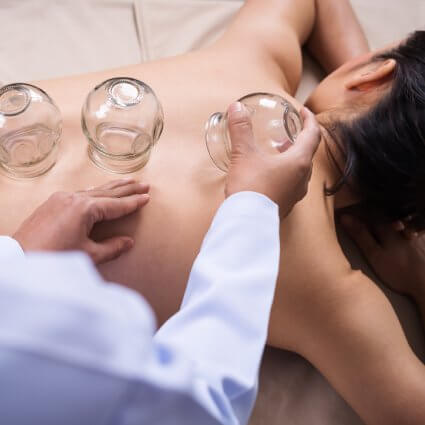 If tight muscles, lingering tension, or slow recovery are holding you back, cupping therapy may be a helpful addition to your care plan. This technique works with your body’s natural responses and is often used to support muscle release, relaxation, and overall wellness.
What Cupping Therapy Is and How It Works
Cupping therapy is a long-standing technique that uses specialized cups to create gentle suction on the skin. Unlike massage, which applies pressure into the muscle, cupping lifts the tissue upward using negative pressure.
This lifting effect creates space between the layers of skin, fascia, and muscle. It is commonly used to support circulation and encourage movement within the tissues. Many people choose cupping as part of a broader physiotherapy or massage approach.
NEW CLIENTS
When Cupping May Be Used
Cupping is often included in care plans for people experiencing:
- Muscle tightness in the back, neck, or shoulders
- Post-workout soreness or fatigue
- General stiffness or reduced range of motion
- Repetitive strain from desk work
- Tension related to stress
- Ongoing muscle discomfort or sensitivity
It may also be used alongside other therapies to support recovery and mobility.
What to Expect at Your Visit
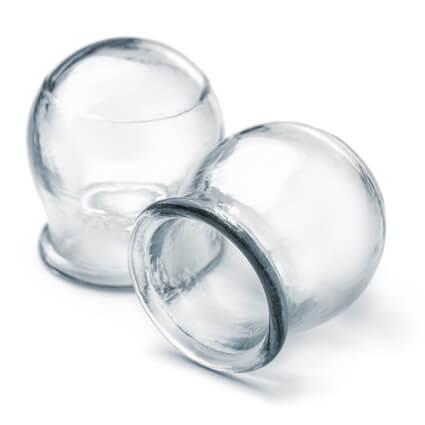
Cupping is provided by a registered therapist as part of your physiotherapy or massage appointment. Your therapist will place silicone, glass, or plastic cups on the targeted area.
You may feel a gentle pulling or stretching sensation as the suction begins. Most people find the experience comfortable, and some describe it as relaxing.
Sessions typically last between 10 and 20 minutes.
Your therapist may use different cupping techniques depending on the area being addressed. In some cases, the cups stay in one place for a short period of time. In others, your therapist may apply oil and gently glide the cups across the skin to work over a broader area.
After your session, circular marks may appear on the skin. These marks are caused by increased blood flow to the area and usually fade within three to seven days.
What Should I Do After My Session?
How Cupping May Support Your Body
Cupping is thought to support the body in several ways. It may help:
- Encourage blood flow to targeted areas
- Support the body’s natural recovery processes
- Promote muscle relaxation
- Improve movement in areas of tightness
- Provide a calming effect for stress-related tension
Responses can vary from person to person, and your therapist will tailor care to your needs.
Frequently Asked Questions
How many sessions will I need?
Is cupping covered by insurance?
Is cupping the same as Hijama?
Is cupping suitable for everyone?
Book Your Session Today
If you are looking for a way to support muscle recovery, ease tension, or improve mobility, cupping therapy may be worth exploring.
Contact Helios Physiotherapy and Rehab today or book online to schedule your appointment. Our team will help you decide if cupping is a good fit for your care plan.
